Heart Failure: Guide to Symptoms, Causes, Diagnosis, Treatment and Prevention
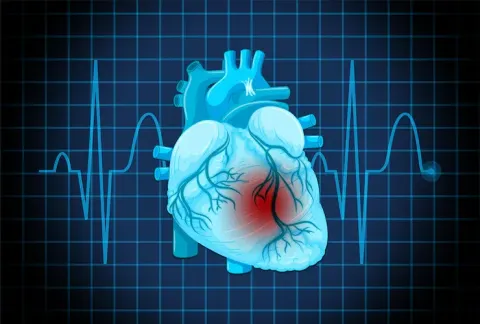
Heart failure is a long-term condition in which the heart cannot pump or fill with blood effectively enough to meet the body's needs. The term does not mean that the heart has completely stopped working. It means the heart's pumping function or ability to fill with blood has become impaired.
Heart failure can develop gradually or become noticeable through worsening symptoms. Common symptoms include shortness of breath, fatigue, swelling in the legs and feet, and reduced ability to perform physical activities.
Early medical evaluation is important because heart failure can have several causes, and treatment depends on the underlying condition, type of heart failure, symptoms, and overall health.
Why Heart Failure Matters
Heart failure can affect everyday activities such as walking, climbing stairs, exercising, or lying flat to sleep. As the condition progresses, fluid can accumulate in areas such as the lungs, legs, ankles, and abdomen.
Heart failure may also occur alongside other cardiovascular conditions. According to the CDC, coronary artery disease, previous heart attack, high blood pressure, diabetes, obesity, and heart valve disease are among conditions associated with increased risk.
Understanding the warning signs and risk factors can help people seek appropriate medical evaluation earlier.
Common Heart Failure Symptoms
Symptoms vary depending on the type and severity of heart failure.
Shortness of Breath
Breathlessness may occur during physical activity and, in more advanced cases, while resting. Some people may have difficulty breathing when lying flat or may wake during the night feeling short of breath.
Fatigue and Weakness
Reduced cardiac output can contribute to tiredness and weakness. Activities that were previously comfortable may become more difficult.
Swelling and Fluid Retention
Fluid buildup can cause swelling in the:
- Ankles
- Feet
- Legs
- Abdomen
Rapid weight gain can also occur when the body retains excess fluid.
Changes in Heart Rate
Some people experience a fast or irregular heartbeat. Other possible symptoms include reduced exercise tolerance, persistent coughing or wheezing, nausea, and reduced appetite.
What Causes Heart Failure?
Heart failure can result from conditions that damage or place additional strain on the heart.
Coronary Artery Disease
Coronary artery disease can reduce blood flow to the heart muscle. A previous heart attack can also damage heart muscle and affect its pumping ability.
High Blood Pressure
Long-term high blood pressure can increase the workload placed on the heart. Over time, this may contribute to changes in the heart muscle.
Diabetes and Obesity
Diabetes and obesity are recognized risk factors associated with heart failure. Managing these conditions as part of overall cardiovascular health can be important.
Heart Valve Disease
Problems involving the heart valves can affect how blood moves through the heart. In some cases, valve disease can contribute to heart failure.
Other Causes
Other possible causes include certain heart muscle diseases, abnormal heart rhythms, and conditions affecting the structure or function of the heart.
Types of Heart Failure
Heart failure can be classified in several ways.
Heart Failure With Reduced Ejection Fraction
Heart failure with reduced ejection fraction, or HFrEF, occurs when the left ventricle does not contract strongly enough. An ejection fraction is a measurement of how much blood leaves the heart's main pumping chamber with each contraction. HFrEF is often associated with an ejection fraction of 40% or less.
Heart Failure With Preserved Ejection Fraction
HFpEF occurs when the heart's pumping percentage may remain preserved, but the heart muscle has difficulty relaxing and filling properly. People can still experience significant heart failure symptoms despite having a preserved ejection fraction.
Left-Sided and Right-Sided Heart Failure
Left-sided heart failure primarily affects the left side of the heart and can contribute to fluid buildup in the lungs. Right-sided heart failure can contribute to fluid accumulation in the legs, feet, or abdomen. A person may have features involving both sides.
How Heart Failure Is Diagnosed
There is no single test that identifies every case of heart failure. Healthcare professionals generally combine symptoms, medical history, physical examination, and diagnostic tests.
Echocardiogram
An echocardiogram uses sound waves to create images of the heart. It can assess heart structure, valves, blood flow, and ejection fraction.
Electrocardiogram
An ECG or EKG records the heart's electrical activity and can provide information about heart rhythm and electrical signals.
Blood Tests
Blood tests may help identify conditions that contribute to symptoms and can measure biomarkers associated with heart failure, including NT-proBNP.
Additional Cardiac Tests
Depending on the circumstances, a healthcare professional may recommend:
- Chest X-ray
- Cardiac MRI
- CT scan
- Stress testing
- Coronary angiography
- Other specialized cardiac testing
The specific tests depend on symptoms and the suspected cause.
Heart Failure Treatment Options
Heart failure treatment is individualized. The goal is generally to control symptoms, address the underlying cause, reduce complications, and support heart function.
Heart Failure Medications
Depending on the type and circumstances, treatment may include medicines such as:
- ACE inhibitors
- ARBs
- ARNIs
- Beta blockers
- Diuretics
- Mineralocorticoid receptor antagonists
- SGLT2 inhibitors
Different medications have different effects and potential risks. A healthcare professional determines which medicines are appropriate and whether monitoring is necessary.
Lifestyle and Cardiac Rehabilitation
Lifestyle measures may be part of heart failure management. Depending on individual medical advice, these can include appropriate physical activity, healthy eating, avoiding tobacco, monitoring symptoms, and participating in cardiac rehabilitation.
People with diagnosed heart failure should follow their healthcare team's recommendations regarding sodium, fluids, exercise, medications, and daily monitoring.
Medical Devices and Procedures
Some people may require procedures or medical devices depending on the cause and severity of heart failure. Examples include implantable cardioverter-defibrillators, cardiac resynchronization therapy, procedures for blocked coronary arteries, or heart valve repair or replacement. Advanced cases may require specialized treatments.
Heart Failure Prevention and Risk Reduction
Not every case of heart failure can be prevented, but managing cardiovascular risk factors can help reduce risk.
Important areas include:
- Managing high blood pressure
- Managing diabetes
- Maintaining a healthy weight
- Avoiding tobacco
- Following a heart-healthy eating pattern
- Staying physically active as medically appropriate
- Managing cholesterol and other cardiovascular risk factors
- Receiving appropriate treatment for coronary artery or valve disease
The CDC identifies smoking, physical inactivity, diets high in sodium and certain fats, and excessive alcohol intake among behaviors associated with increased heart failure risk, particularly in people with other risk factors.
When to Seek Medical Attention
New or worsening symptoms should be discussed with a healthcare professional. Changes such as increasing breathlessness, swelling, reduced ability to exercise, or rapid unexplained weight gain can indicate worsening fluid retention or heart failure.
Emergency Warning Signs
Seek emergency medical attention for symptoms such as:
- Sudden or unexplained chest pain
- Fainting
- Severe weakness
- Severe shortness of breath
- Fast or irregular heartbeat accompanied by chest pain, fainting, or breathing difficulty
- Sudden severe breathing difficulty with pink or white foamy mucus
These symptoms can have several possible causes and require urgent medical evaluation.
Living With Heart Failure
Heart failure is often a long-term condition, but appropriate management can help control symptoms and support quality of life. Treatment plans may change as a person's condition changes.
Keeping regular medical appointments, taking prescribed medicines as directed, monitoring recommended symptoms, and discussing new changes with a healthcare professional are important parts of ongoing heart failure care.
Conclusion
Heart failure is a complex cardiovascular condition that can affect the heart's ability to pump or fill effectively. Common symptoms include shortness of breath, fatigue, swelling, rapid weight changes, and reduced exercise capacity.
Diagnosis may involve an echocardiogram, ECG, blood tests, imaging, and other cardiac assessments. Treatment can include medication, lifestyle measures, cardiac rehabilitation, procedures, or medical devices depending on the individual situation.
Understanding heart failure symptoms, causes, diagnosis, treatment, and risk factors can help readers recognize important changes and seek appropriate medical guidance.
Note: This article is for general educational purposes and is not a substitute for diagnosis or individualized medical advice from a qualified healthcare professional.