Industrial Gas Systems: Guide to Design, Components, Safety and Applications
Industrial gas systems are engineered networks used to store, regulate, distribute, and deliver gases to specific points of use in industrial facilities. Depending on the application, these systems can handle compressed, liquefied, cryogenic, combustible, inert, corrosive, or high-purity gases. A typical system may include storage equipment, regulators, manifolds, valves, piping, pressure-relief devices, monitoring equipment, and point-of-use connections.
Gas distribution systems are important because industrial processes often require a consistent gas supply at a defined pressure, flow rate, purity, and temperature. Proper system design also helps control operational risks associated with pressurized and hazardous gases.
What Are Industrial Gas Systems?
An industrial gas system connects a gas source with one or more points where the gas is required. The source may be cylinders, bulk storage tanks, cryogenic storage equipment, tube trailers, or an onsite generation system. From the source, gas normally passes through pressure-control equipment before entering the distribution network.
The configuration depends on the gas properties, required pressure and flow, purity requirements, storage capacity, facility layout, and intended industrial process. Systems may therefore range from relatively simple gas lines to complex distribution networks serving numerous production areas.
Key Components of Industrial Gas Systems
Gas Storage Equipment
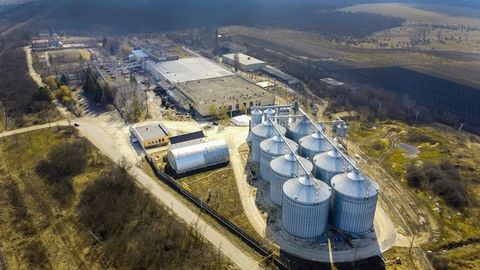
Storage equipment can include gas cylinders, pressure vessels, bulk tanks, and cryogenic tanks. The appropriate storage method depends on whether the gas is supplied as a compressed gas, liquefied gas, or cryogenic liquid and on the required capacity and operating conditions.
Pressure Regulators and Control Equipment
Pressure regulators reduce the pressure from a gas source to a level appropriate for downstream equipment. Pressure-control systems must account for operating pressure, flow requirements, temperature, and the characteristics of the gas being handled.
Gas Piping and Distribution Networks
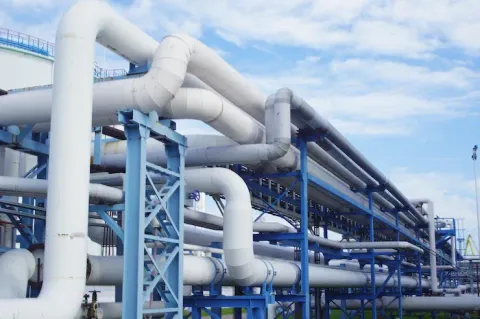
Piping connects the supply source with equipment and points of use. Industrial gas distribution design generally considers flow rate, allowable pressure drop, pipe length, material compatibility, gas purity, isolation requirements, and future system expansion.
Valves and Manifolds
Valves provide isolation and flow control, while manifolds can connect multiple gas sources or distribute gas to several branches. Their specifications need to match the gas, pressure, temperature, and operating environment.
Monitoring and Safety Equipment
Industrial gas systems can incorporate pressure gauges, flow instruments, gas detection equipment, alarms, automatic shut-off devices, and pressure-relief equipment. These components support monitoring and controlled isolation when abnormal operating conditions occur.
How Industrial Gas Distribution Systems Work
A typical gas distribution system begins at the supply source. Gas then passes through an inlet connection and pressure-control equipment before moving through the distribution piping. At the point of use, additional regulation or filtration may be required to achieve the pressure, flow, or purity specified for the application.
Some systems use automatic changeover arrangements to maintain gas availability when one supply source becomes unavailable. This can be particularly relevant for processes that depend on continuous gas delivery.
Industrial Gas System Applications
Manufacturing and Metal Processing
Industrial gases are widely used in welding, cutting, heating, heat treatment, metal fabrication, and other manufacturing processes. The distribution system must provide the required gas flow and pressure while maintaining appropriate control and isolation.
Chemical and Process Industries
Chemical facilities can use gases for processing, inerting, purging, blanketing, heating, and other operations. Because some process gases can be reactive, toxic, corrosive, or flammable, system design requires careful consideration of material compatibility and containment.
Electronics and Semiconductor Manufacturing
Electronics and semiconductor facilities may require high-purity and specialty gases. Distribution systems must therefore address contamination control, appropriate materials, pressure regulation, leak prevention, and reliable delivery.
Laboratories and Research Facilities
Laboratories can use gas distribution systems for analytical instruments, research equipment, testing, and controlled atmospheres. High-purity gases and precise pressure requirements can make distribution-system design particularly important.
Industrial Gas System Safety
Leak Prevention and Detection
Gas leakage can create different hazards depending on the gas involved. Industrial gases may present flammability, toxicity, asphyxiation, corrosion, or pressure-related risks. Detection and appropriate ventilation can be important elements of a facility's safety strategy.
Pressure Protection
Pressure-relief equipment and correctly rated components help address abnormal pressure conditions. Regulators and relief devices should be selected according to the applicable pressure, temperature, flow, and gas characteristics.
Emergency Isolation
Isolation valves and emergency shut-off arrangements can allow sections of a gas system to be separated when maintenance or an abnormal condition occurs. Their location and accessibility should be considered during system design.
Industrial Gas System Design Considerations
Gas Properties
The physical and chemical properties of the gas influence material selection, pressure control, ventilation, detection, and safety requirements. Oxygen, hydrogen, nitrogen, carbon dioxide, and combustible gases can require different engineering considerations.
Pressure and Flow Requirements
The system should be designed around the required flow rate and pressure at the point of use. Pressure losses through piping, valves, fittings, filters, and other components should be considered when determining system capacity.
Material Compatibility
Piping, seals, valves, regulators, and other components need to be compatible with the gas and operating conditions. High-purity applications can also require additional attention to cleanliness and contamination control.
Applicable Standards and Regulations
Industrial gas installations should be designed, installed, operated, and maintained according to applicable local regulations, recognized engineering standards, and the specific requirements of the gas and facility. CEN/TR 16787, for example, addresses safety and operational considerations for industrial gas equipment and pipework systems in industrial premises.
Maintenance of Industrial Gas Systems
Regular inspection can help identify leaks, damaged components, pressure-control problems, corrosion, or other conditions that may affect system performance. Maintenance programs should address valves, regulators, piping, connections, monitoring equipment, safety devices, and storage equipment as appropriate.
Documentation is also important. System drawings, equipment specifications, inspection records, operating procedures, and identification of gas lines can help maintenance personnel understand the installation and perform work safely.
Conclusion
Industrial gas systems provide the infrastructure required to move gases from storage or supply sources to industrial processes. Their design combines gas storage, pressure control, piping, valves, monitoring equipment, and safety systems to achieve controlled gas delivery.
Understanding gas properties, pressure and flow requirements, material compatibility, system configuration, and applicable safety requirements is essential when evaluating an industrial gas distribution system. Proper engineering, installation, operation, and maintenance can support reliable process performance while helping manage the risks associated with industrial gases.